
Sydney Composite Screen Fencing
Sydney composite screen fencing offers durable and stylish privacy solutions ideal for outdoor spaces across NSW. Choose from a wide selection of quality composite materials designed to withstand Australian weather with low maintenance.
Call Now!
Exploring Material Options for Your Composite Screen Fencing
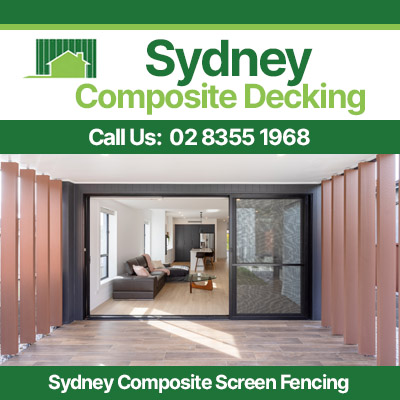
What Are the Benefits of Choosing Composite Over Traditional Timber?
Composite screen fencing has many benefits compared to traditional timber. It requires little maintenance and does not need regular painting, staining, or sealing like timber. This saves time and money over the years. Composite materials are made to be durable and weather resistant, ideal for Australian outdoor and residential conditions such as strong sun, rain, and moisture. Many composites use recycled materials, making them an eco-friendly and sustainable choice over timber, which often comes from logging.
Composite fencing is a strong alternative that performs well outside. It lasts a long time and resists warping, cracking, and insect damage, offering good value and quality products. Choosing composite can improve your property's look while providing privacy and security without the upkeep that timber requires.
How Do Different Composites Compare in Terms of Color Stability?
Colour stability is an important factor when choosing composite fencing. Unlike timber, which can fade or change colour over time, composites usually have fade-resistant coatings and UV protection to keep colour vibrancy high. These features help maintain a superior finish despite sun exposure and harsh weather.
Composite fences come in different natural and modern colours such as grey, silver, black, white, and sand. Colour retention depends on the brand and technical specifications, so checking product details is necessary before buying. Generally, composites with strong UV inhibitors keep their colour longer, giving a good-looking exterior for many years.
What Is the Expected Lifespan of Screen Fencing?
Composite screen fencing is known for lasting a long time. When installed properly, it can last between 10 and 20 years or more in Australian weather. Many suppliers offer warranties that cover at least 10 years, showing confidence in the product’s durability and performance.
Compared to timber, which can wear down faster due to weather, composite fencing needs less maintenance to stay strong and look good. It is engineered for outdoor use, resisting warping, splitting, and moisture damage, which helps it stay solid in residential areas for its expected life.
Can the Materials Withstand Harsh Weather Conditions?
Composite materials are made and tested to handle harsh weather. They stand up well against strong sun, heavy rain, humidity, and changing temperatures common in NSW and Sydney. Composite fences resist corrosion, moisture, and damage from constant exposure to local climate conditions.
This makes composite fencing a sturdy option for outdoor use where strength is needed. Engineered composites deliver reliable performance all year, protecting your property while cutting down on maintenance compared to traditional timber fencing.
Installation Considerations for a Composite Screen Fence
Installing a composite screen fence requires careful planning and attention. Composite fencing in Sydney is a strong and low-maintenance choice for outdoor fencing. When selecting fencing materials, focus on the quality and strength needed to handle the local climate of New South Wales (NSW). Knowing the installation steps, types of subframes, and necessary tools will help you complete your project smoothly, whether you do it yourself or hire a professional installer.
What are the key steps involved in installing a fence?
The main steps to install a composite screen fence are:
- Prepare the site – Remove any debris and plants to create a flat area.
- Measure and mark post holes – Space the holes correctly following technical specifications and local building rules.
- Dig post holes – Use tools like a post hole digger to reach the needed depth for strong support.
- Set posts in concrete – Fix the posts firmly and allow the concrete to set for good stability.
- Install the subframe – Attach timber, aluminium, steel, or composite subframe material to the posts.
- Fix the composite panels – Secure panels with the right fixings and keep them level and evenly spaced.
- Inspect and finish – Check everything is straight, tighten fasteners, and clean the area.
Following these steps will help you install the fence quickly and safely while meeting NSW regulations. Always plan ahead and get permits if needed.
Can I install a composite screen fence myself, or should I hire a professional?
Choosing DIY or hiring a professional depends on many things:
- Skills and experience: Installing fencing composite screen panels needs care and knowledge. Professionals have this experience.
- Tools and equipment: Professionals have all the right tools to do the job safely and quickly.
- Site conditions: Uneven ground or nearby electrical and plumbing lines might need an expert’s care.
- Time and cost: Doing it yourself may save money but can take longer and risk mistakes that reduce fence life or void warranties.
- Council approvals: Professionals know NSW rules and can help with permits.
- Safety: Professionals follow safety rules to avoid accidents.
If your site is complex or you are new to fencing in Sydney, it is better to hire a professional installer. But if you have experience, tools, and clear instructions, you can do a simple project yourself.
What tools and equipment are needed for installation?
To install composite screen fencing, you will need:
- Drill and screwdriver
- Saw (circular or hand saw made for composite materials)
- Measuring tape and level for accuracy
- Post hole digger or auger to dig holes
- Spade and wheelbarrow for site work
- Concrete mixer or container to mix concrete
- Protective gear like gloves and goggles
- Screws, fixings, brackets, and fasteners suited for composite and subframe
- Optional power tools to make work faster
These tools can be found at hardware stores such as Bunnings. Using the right tools helps make the installation strong and long-lasting.
What type of subframe material is best for the local climate?
Picking the right subframe material is important for a lasting composite fence in Sydney’s climate. Options include:
- Timber: Natural look but needs treatment to resist weather. It may require more care near the coast due to salt air.
- Aluminium: Light, rust-proof, and needs little upkeep. Good for wet and salty NSW coastal areas.
- Steel: Very strong but can rust without protection. Works well in less humid places.
- Composite: Matches the fence panels and offers good durability with little maintenance. It resists rot, insects, and weather damage.
For Sydney composite screen fencing, aluminium and composite subframes are popular because they handle sun, rain, wind, and salt air well. Choosing the right subframe lets your fence last longer and costs less to maintain.
Have you installed a composite screen fence before? Share your experience or ask questions about installation below. For advice, contact Sydney Composite Decking for help.
*Sources:*
- Australian Building Codes Board, "Fencing Regulations NSW" https://www.abcb.gov.au
- CSIRO, "Durability of Composite Materials in Coastal Environments," 2022
- NSW Government, "Outdoor Structure Permits and Guidelines," 2023
Designing Your Composite Screen Fencing

Creating a private and stylish outdoor space starts with the right fencing solution. Composite screen fencing provides privacy, durability, and a modern look. Whether you want to improve your garden, backyard, or pool area, composite screens can be made to fit your needs.
Why Choose Composite Screen Fencing for Privacy and Style
Composite screen fencing is a popular choice in Sydney because it is versatile and easy to maintain. It offers privacy while adding a contemporary feel to any outdoor area. These fences use slats or panels that fit tightly together, giving full coverage without gaps. This design is perfect for neighbourhood privacy, security, and blocking unwanted views.
You can choose different heights and widths to match your property and local rules. For example:
- Panels come in standard sizes but can be customised for narrow or wide spaces.
- Height options help keep privacy while meeting council rules, especially near pool fencing.
Customising Your Composite Screens: Design Options and Materials
Composite fencing has many design options that let you match your fence to your space and style. You can pick from several colours and textures that look like timber or have a modern finish. Some key features are:
- Gates and subframes made from timber or aluminium, making them strong and simple to install.
- Batten or cladding styles that match your decking or walls.
- Seamless panel joins that improve weather resistance and give a smooth finish.
Good quality composite materials resist sun and rain, so your fence lasts a long time without warping or fading. This keeps your outdoor space looking great all year with little upkeep.
Technical Specifications and Installation Considerations
Knowing the technical details is important when planning your composite screen fencing project.
- Panels usually come in set sizes, with options for custom dimensions.
- The frame is often made from aluminium or timber subframes to add strength.
- Installation can be done by professionals or as a DIY project with quick and simple assembly.
- Most products come with a warranty against defects and weather damage.
Ordering a sample pack first lets you check the colour and texture under your outdoor lighting. Make sure the product you choose is available locally to avoid delays.
Enhancing Your Outdoor Space with Composite Screen Fencing
Composite screen fencing is more than just a boundary. It helps create a safe and comfortable outdoor area. It works well for both homes and businesses. Common uses include:
- Privacy fencing for backyards and gardens
- Stylish screen fencing around pools
- Decorative wall panels or cladding for saunas and artificial turf spaces
Composite fencing is strong and can handle wind, sun, and weather changes common in Sydney. Its low upkeep saves you money and time compared to timber fences.
Ready to design your perfect composite screen fence? Think about your yard’s layout, how much privacy you want, and your style choices. If you have questions about sizes, materials, or installation, contact us or ask for a sample pack to see the quality for yourself. Share your ideas or experiences with composite fencing, we would love to hear how you improved your outdoor space!
Maintaining Your Composite Screen Fence
Composite screen fencing is a popular choice in Sydney, NSW, and Australia because it is durable and needs little upkeep. To keep your composite fencing looking good and lasting longer, regular care and maintenance are important. Cleaning your fence often helps keep its colour bright, stops mildew from forming, and extends the life of your outdoor fencing. This guide explains which cleaning products are safe, how often to clean, how to remove stains and mildew, and tips for keeping the colour vibrant on your composite screen fencing.
What Cleaning Products Are Safe for Composite Materials?
Using the right cleaning products protects your composite materials and keeps your fence looking its best for a long time. When choosing cleaning products for composite fencing in Sydney and Australia, consider these points:
- Non-abrasive cleaners: Do not use harsh chemicals or rough scrubbing tools that might harm the composite surface.
- Mild detergent and water: A mix of mild detergent and warm water works well for regular cleaning without damaging the material.
- Eco-friendly cleaners: Select safe, eco-friendly cleaners that are gentle but effective, helping to protect the environment in NSW outdoor fencing areas.
- Avoid bleach or ammonia-based products unless they are properly diluted (see stain removal section).
- Check technical specifications: Always follow supplier advice and read product labels to make sure they are safe for composite fencing.
Using the right products helps you care for your Sydney composite screen fencing safely and keeps it in great shape.
How Often Should I Clean My Composite Screen Fence?
How often you clean depends on your location, weather, and exposure to outdoor conditions common in New South Wales. Here is a simple cleaning schedule for composite fencing:
- General cleaning: Every 3 to 6 months to clear away dust, dirt, and debris.
- After bad weather: Clean after storms or heavy rain to stop mildew or stains from forming.
- In dusty or high-pollen areas: Clean every 2 to 3 months to keep your fence fresh.
- For residential fencing in Sydney: Cleaning twice a year usually keeps the fence durable and looking good.
Regular cleaning protects your fence and helps it last longer in NSW outdoor settings.
How Do I Remove Stains or Mildew from Composite Fencing?
Stains and mildew can change the look and quality of your fence if left untreated. Use these steps to remove stains and mildew from composite screen fencing in Australia:
- Mix mild detergent with water and use a soft brush to gently scrub the stained areas.
- For mildew or mould, use an eco-friendly cleaner made to stop mold growth or a diluted bleach solution (1 part bleach to 10 parts water). Rinse well after applying.
- Avoid strong chemical cleaners that could harm the composite surface or void your warranty.
- Clean regularly to prevent mildew by removing organic dirt and moisture.
These steps help keep your composite fence weather-resistant and looking good.
Are There Any Special Treatments Needed to Maintain Colour Vibrancy?
Composite fencing resists fading, but constant sunlight can slowly affect its colour vibrancy. To keep your fence’s colour bright:
- Use UV protection treatments made for composite materials, following supplier instructions.
- Choose products recommended by composite fencing suppliers in Sydney to keep your warranty valid.
- Avoid harsh chemicals that can fade colour or damage the surface.
- Clean your fence regularly to remove dirt that can dull the colour.
- If the manufacturer suggests it, apply approved stains or coatings from time to time.
These treatments will help your fence keep its colour and last for a long time in NSW outdoor conditions.
Taking care of your composite screen fence with the right cleaning, stain removal, and UV protection will keep it looking great and strong for years. If you have questions about specific products or how often to clean, contact local suppliers for advice based on technical details and warranty information.
Cost Factors for Composite Screen Fencing Projects
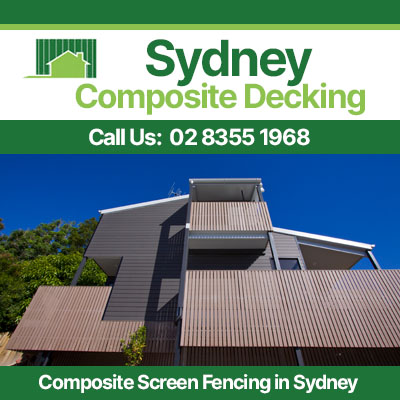
What is the average cost per meter for composite screen fencing?
When looking at Sydney composite screen fencing, knowing the average cost per meter helps you plan your budget. In New South Wales (NSW), Australia, the price for composite fencing depends on the materials and installation. Typically, the cost of fencing composite screen panels ranges from moderate to higher prices, based on the durability and quality of the composite screens.
The price is affected by the type of fencing materials, panel size, and design style. Suppliers and installers in Sydney offer a variety of affordable options that still maintain quality products for lasting results. Using a project estimate or an online calculator can give you a clearer idea of costs.
Knowing these costs ahead of time helps your composite privacy fencing project fit your budget without losing style or strength.
What factors influence the overall cost of the project?
Several cost factors affect the total price of a composite screen fencing project in Sydney and across New South Wales. These include:
- Materials: The choice and quality of composite boards, subframes, and other fencing materials greatly impact cost.
- Installation: Labour expenses depend on how complex the job is, accessibility, and the skill level of installers.
- Labour & Tools: Special tools or extra equipment needed for custom work can add to the cost.
- Size and Design: Bigger fences with more height and width need more resources. Unique designs may require more time and materials.
- Weather Conditions: Weather can delay work, which might increase time and cost.
- Site Preparation: Preparing the land, removing old fences, or clearing obstacles affects the price.
- Maintenance Costs: High-quality composite fencing lasts longer and lowers future upkeep costs.
- Warranty & Specifications: Choosing reliable products from trusted manufacturers and suppliers offers good coverage and affects both short-term and long-term costs.
These factors combine to determine the final fencing costs. Talking to experienced fencing companies who handle Sydney composite screen fencing will help you get a clear budget and meet project needs.
Are there financing options available for fencing projects?
There are often financing choices for your composite fencing Sydney project. Many fencing companies and suppliers provide:
- Flexible payment plans that suit your budget.
- Loan options made for home improvements.
- Clear payment terms and helpful customer support.
- Detailed quotes and estimates so you know the cost before starting.
Paying in stages can reduce upfront costs while ensuring you get professional installation of quality outdoor fencing. Talking to suppliers or pro installers in the New South Wales composite fencing market can help you find the best way to fund your project.
These options make it easier to afford stylish and strong composite screen fencing without lowering quality.
How can I get an accurate price?
To get a correct price for your Sydney composite screen fencing project, follow these steps:
- Ask for a quote from good local suppliers or manufacturers.
- Arrange a site inspection for a full project assessment.
- Give exact measurements and talk about your preferred design choices and any customisation.
- Look at sample packs or brochures to learn about the technical specifications and material options.
- Use an online estimate calculator if vendors offer one to get a starting price.
- Contact customer service to ask questions about installation complexity or extra costs.
This approach gives you an accurate pricing that fits your specific project and location in Sydney or elsewhere in NSW. Clear estimates help avoid surprises and make investing in fencing composite screen easier.
Ready to begin your composite fencing project? Contact trusted suppliers today for a free consultation and a personalised quote. What are your main concerns about fencing costs?
What types of screen fencing materials are available, and which is best for Australian weather?
We offer several fencing solutions including composite screens made from WPC (wood-plastic composite), aluminium, and timber screening. Composite screens like Ekodeck are strong, weather-resistant, and need little maintenance, making them ideal for Australian conditions. They provide a stylish look and are a top alternative to traditional timber fencing.
Can I get samples or brochures to help plan my screening project?
Yes, free sample packs and brochures are available. These help you explore different screen composites, colours, and finishes so you can see what fits your backyard or project before buying.
Do you provide all necessary hardware and tools for installation?
Our warehouse stocks an extensive range of building supplies, including subframes, fixings, and tools needed for easy and safe installation. We also offer advice on construction to help complete your screen fencing correctly.
Are composite screening solutions suitable for private residential areas?
Yes, composite fencing screens work well for privacy while allowing some view. Their stylish design fits nicely in backyards and meets local planning rules. We can help you choose the right height and style for your space.
How do composite screens compare with glass or aluminium fencing?
Composite screens resist weather better and need less upkeep than glass. Unlike aluminium, WPC composites don’t rust and look warmer, similar to timber. Each material has benefits, and we can help you pick the best one for your needs.
Is there an online calculator or guide to estimate material needs and costs?
Yes, our website has an easy-to-use calculator and guides. These tools help you plan your project, check stock, and estimate costs so you can budget well.
Who manufactures the composite screen panels, and what standards do they meet?
Our composite screens come from trusted Australian manufacturers using recycled materials. Their products meet strict quality and environmental standards, ensuring durable and eco-friendly fencing.
Can lighting be integrated with composite screen fencing for enhanced outdoor spaces?
Yes, we offer lighting options that work well with composite screens. Adding lighting can improve the look and security of your backyard fencing.
Sydney Composite Screen Fencing Insights
- We offer affordable fencing solutions for homes and businesses in Sydney, Melbourne, and Canberra. Our composite screen fencing provides privacy and looks great.
- Our fencing comes in different sizes like 15mm, 30mm, 40mm, and 50L. These fit well with various walling and subframe needs.
- Using WPC (wood-plastic composite) materials such as Ekodeck, Futurewood, NewTechWood, and Weathertex means your fence lasts longer and needs less upkeep, even in tough Australian weather.
- You can choose from timber-look slats or aluminium for a rustic or modern finish. These work well for flower gardens, bathrooms, decks, or quiet outdoor areas called sanctuaries.
- Customers can get sample packs and brochures to check out profiles, colours, and lengths before buying. This helps when shopping at hardware stores or looking for building supplies.
- Our stock includes long planks of up to 5400mm. These are good for big jobs like concrete formwork, din cell structural walling, or large backyard decks, making building easier.
- The fencing materials fit well with steel or Colourbond posts. You can add extras like shutters, curtains, and lights for areas used for BBQ and storing lawn mowers.
- We share useful info through blogs, newsletters, and the marketplace about new ideas in composite wood fencing, the Janka hardness scale, and green options like hardwood or bamboo.
- Our fences are built to last. They do not warp, rot, or get damaged by insects easily. This makes them good for pet owners and anyone wanting eco-friendly, cost-saving fencing.
- Whether you need to secure a backyard or add style to glass, aluminium, or timber gates and doors, composite screen fencing offers benefits like noise reduction, better security, and easy maintenance all year. Latitude: -33.87745426106631, Longitude: 151.223066528649
For expert advice and to see our full range of fencing Sydney and screen fencing composite products, contact us today.