
Sydney Composite Cladding
Sydney composite cladding provides durable, weather-resistant solutions ideal for both residential and commercial projects in NSW. Our premium composite wall cladding systems offer sustainable, low-maintenance options designed to withstand local climates of Sydney.
Call Now!
Exploring Design Possibilities with Composite Cladding
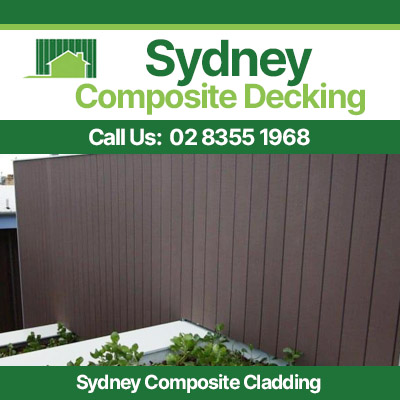
How can different cladding materials complement a home's architecture?
Choosing the right cladding materials can change your home’s facade by adding style and protection. Architectural cladding includes options like composite building materials, timber cladding, brick, and stone. Each material offers unique textures, colours, and durability that improve your home's appearance.
Composite cladding is very popular in Sydney because it is a sustainable cladding solution and very flexible in design. It looks like natural timber but requires less maintenance and resists weather damage better. Using composite cladding alongside traditional materials such as brick or stone creates a strong contrast that highlights the architectural features and adds dimension to walls and facades.
Benefits of combining different cladding materials include:
- Better visual appeal through a mix of textures and colours.
- Stronger durability and resistance to weather.
- Higher property value and street appeal.
- Eco-friendly choices that lower environmental impact.
Whether you want a natural, modern, or classic look, choosing exterior cladding lets you customise your home improvement to fit your style and surroundings.
What colors and textures are trending for composite siding in Sydney?
Sydney’s composite cladding trends focus on modern and stylish finishes that last. Popular colours include charcoal black, American oak, and blackbutt, which suit many types of home designs.
Textures like woodgrain give a natural look without the work real timber needs. These premium composite panels resist fading and offer strong durability, keeping your outdoor space looking good even in tough weather.
Current trends in composite siding colours and textures include:
- Charcoal black: A sleek, modern choice for contemporary homes.
- American oak and blackbutt: Warm, natural shades similar to real timber.
- Woodgrain texture: Gives an authentic look and feel.
- Smooth finishes: Provide a clean, simple style ideal for city homes.
These weather-resistant cladding options combine good looks with lasting protection for your home.
Can you integrate composite wall cladding with existing brick or stone features?
Yes, composite wall cladding works well with existing brick or stone cladding, forming a balanced mix of materials. This blend suits both residential and commercial buildings in Sydney, where different architectural styles are common.
Advantages of combining composite cladding with brick or stone include:
- Creates a unified facade by balancing colour and texture.
- Adds extra protection with advanced cladding systems.
- Allows you to update older buildings without full renovation.
- Offers the versatility of weatherboards with modern toughness.
Pairing composite wall cladding with brick or stone keeps the original style while adding modern touches that improve look and performance. This method supports sustainable building and helps walls withstand outdoor conditions well.
If you have questions about picking the best composite cladding for your home, contact Sydney Composite Decking for advice based on your home’s style and the local climate.
Selecting the Right Composite Materials
Is composite construction suitable for coastal environments?
Composite construction in Sydney and NSW works well in coastal environments. These areas face constant exposure to salt air, moisture, and harsh weather conditions. Engineered composite materials provide strong durability and resist corrosion, which makes them a good choice.
Key benefits include:
- Corrosion and moisture control: Composite cladding can handle salt air without breaking down, unlike traditional timber.
- Long-lasting protection: These materials keep their strength and look over time.
- Low maintenance: Composites need less upkeep than wood, saving time and money.
- Eco-friendly options: Many composites include recycled materials and are made using sustainable processes.
Choosing weather resistant cladding that is designed for coastal climates ensures reliable protection and performance for buildings in Sydney.
What are the benefits of weather-resistant cladding in harsh weather conditions?
Weather resistant cladding in Sydney and NSW offers many benefits, especially in tough weather like strong winds, heavy rain, and intense UV rays.
Benefits include:
- Improved durability: Composite cladding resists cracking, warping, and fading.
- Strong protection: It blocks moisture, preventing damage such as mould and mildew.
- Better insulation: Weather-resistant cladding helps keep indoor temperatures steady.
- Low maintenance: It needs less repainting and repairing, saving money and effort.
- Sustainable solutions: Many products are made with the environment in mind, offering long-term value without losing quality.
These features make composite cladding a smart choice for protecting homes and businesses in NSW’s challenging weather.
What certifications should I check for when selecting composite cladding?
When choosing composite cladding, check that the product meets key quality and safety standards. Look for:
- Quality assurance and warranty: Ensure the product has a reliable warranty covering defects.
- Codemark certification: Shows compliance with Australian building codes.
- Australian Standards and NCC compliance: Confirms materials meet national fire, safety, and sustainability rules.
- Fire rating and safety testing: Important for safe use in homes and commercial buildings.
- Eco-friendly and tested materials: Certifications proving environmental care and durability.
Selecting certified composite cladding gives confidence in its safety, performance, and sustainability.
What are the differences between various composite materials available?
There are several composite materials available in Sydney, each suited for different uses. Knowing their differences helps you choose the right one.
- Composite panels: Lightweight, flexible, and easy to fit with a smooth surface.
- Composite siding and cladding materials: Come in various textures and colours, similar to timber or other natural looks.
- Timber cladding: Has a traditional style but needs more care and is less resistant to weather.
- Fibre cement: Tough and fire-resistant but heavier and more brittle than composites.
- Aluminium composite: Strong, light, and very weather resistant, good for modern designs.
- Wood Plastic Composite (WPC): Mixes wood fibres with plastic for better durability and low upkeep.
- Vinyl cladding: Cost-effective and low maintenance but less tough in extreme weather.
Think about durability, texture, colour choices, finish, price, maintenance, sustainability, engineered strength, and weather resistance when picking materials. This helps ensure the composite fits your project and environment.
Do you have questions about choosing the best composite materials for your project? Contact us for expert advice and solutions to meet your needs.
Installation and Maintenance Considerations
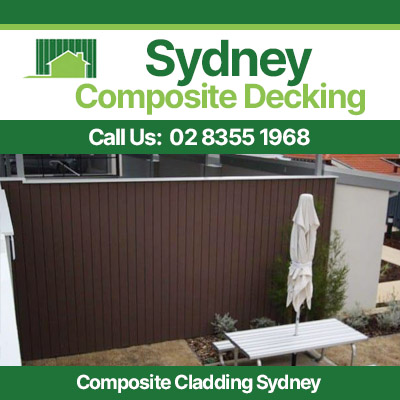
Can cladding be installed on existing house frames?
Yes, cladding can be installed on existing house frames, but certain factors must be checked to guarantee a safe and reliable installation. The framing and structural support of your house walls should be inspected to make sure they can hold the added weight of the cladding system. This usually requires professional builders or contractors to assess the existing structure for suitability.
Key points to remember include:
- Check structural requirements: Confirm the existing wall framing has the strength and spacing needed for the new cladding material.
- Inspect wall condition: Look for any damage or weak spots in the current walls that may need fixing before installation.
- Provide installation support: You may need to add framing or battens to create proper fixing points and allow ventilation behind the cladding.
- Seek professional advice: Use experienced installers or contractors who know the specific needs of composite cladding systems.
- DIY caution: Some homeowners may try to install cladding themselves, but due to issues like structural integrity and moisture control, professional help is recommended.
Meeting these requirements will result in a durable, weather-resistant finish that improves your home’s protection and appearance.
What is the process for installing composite cladding panels?
Installing composite cladding panels involves a clear process aimed at providing a secure and long-lasting finish. This method uses screws, clips, or other fixing systems attached to a prepared frame or support structure. Here is a simple guide to the common installation steps:
- Prepare the frame: Fix battens or a timber frame over the existing wall to create a strong, even base.
- Inspect the surface: Make sure the frame is clean, dry, and free from debris.
- Set up fixing system: Use the right screws or clips designed for composite panels to secure them firmly.
- Install panels: Begin at the bottom, fitting panels horizontally or vertically according to design, ensuring tight joints.
- Cut and fit panels: Use proper tools to cut panels neatly around windows, doors, and corners.
- Apply sealing and finishing: Use edge trims and seals as needed to stop water from entering.
- Final check: Review all fixings and panel alignment to ensure a neat and strong finish.
This installation method is efficient and quick, usually done by trained professionals or skilled contractors using the right tools and equipment. Following these steps helps composite cladding perform well in all weather conditions.
How can composite cladding be maintained for long-term appearance?
Taking care of composite cladding is easy but important to keep its quality and look over time. Proper maintenance protects against fading, weather damage, and surface problems while also keeping warranty terms valid.
Use these simple tips to maintain your composite cladding:
- Clean regularly: Remove dirt and debris with a soft brush or low-pressure water. Avoid harsh cleaners that can harm the surface.
- Protect against fading: Some colour change is normal, but regular cleaning and following manufacturer advice help keep colours bright.
- Oiling and painting: Most composite cladding does not need oiling. If the manufacturer recommends it, use suitable products to add protection.
- Check for damage: Watch out for cracks, chips, or loose panels and fix these quickly to prevent more damage.
- Shield from weather: Composite materials resist moisture and UV rays well, but sealing edges and ensuring good air flow helps lengthen their life.
- Follow warranty instructions: Keeping up with care guidelines protects your investment and keeps your warranty valid.
Regular upkeep makes composite cladding last longer, stay looking good, and safeguard your home exterior for many years.
Are there special considerations to ensure moisture control behind the cladding?
Controlling moisture is key when installing cladding. It helps avoid damp, mould, and damage to the building. Composite cladding should be part of a wider moisture control system including insulation, sealing, and ventilation.
Important moisture control steps are:
- Choose weather-resistant cladding: Select materials made to block water and handle local weather.
- Seal properly: Use good quality sealing tapes, membranes, or barriers at joints and edges to stop water getting in.
- Allow ventilation: Leave an air gap or cavity behind the cladding to let moisture escape and dry out.
- Install insulation correctly: Make sure insulation is fitted without gaps to lower condensation risk.
- Keep up maintenance: Check and maintain seals and flashings to prevent leaks over time.
- Get professional installation: Follow manufacturer moisture control rules and hire experienced contractors to ensure all parts work well together.
By managing moisture during installation and upkeep, you protect your home’s structure and help your composite cladding last longer.
Cost and Value of Composite Cladding
What is the typical cost per square meter for installing composite cladding?
The cost of installing composite cladding in Sydney varies based on factors like the product type, supply, and installation services. Typically, the price per square meter ranges from $150 to $300, which covers both materials and labour.
Consider these points when planning your budget for composite cladding:
- There are many affordable yet durable products that offer good value.
- Costs may change depending on how complex the project is and the surface preparation needed.
- Professional contractors usually provide an onsite assessment before giving a detailed quote.
- Extra charges such as delivery and special installation methods can affect the total amount.
Getting a composite cladding quote from experienced Sydney contractors helps you get clear pricing based on your home’s requirements. This keeps your project within budget while ensuring quality materials and skilled workmanship.
What long-term value does cladding offer in terms of home insulation?
Composite cladding adds long-term value by improving home insulation. Its strong thermal performance keeps indoor temperatures steady, which lowers energy use. This leads to savings on heating and cooling costs.
Benefits of composite cladding for insulation include:
- Good resistance to NSW’s common weather conditions like heat, rain, and wind.
- Better energy efficiency by stopping heat loss in winter and heat gain in summer.
- Greater comfort with more stable indoor temperatures and fewer drafts.
- Eco-friendly and sustainable options that help reduce your environmental impact.
- Durable materials that keep their insulation qualities over many years, avoiding costly replacements.
Adding composite cladding to your home improvement plan is a cost-effective way to improve comfort and sustainability.
How does composite siding affect property value in Sydney?
Using composite siding can raise your home’s property value in Sydney. It gives your home’s exterior a modern, durable upgrade that appeals to buyers and boosts curb appeal.
Benefits that improve real estate value include:
- Improved aesthetics with a clean, modern look that attracts buyers.
- Durable products needing little maintenance, attractive to buyers wanting long-lasting options.
- Adds to overall home improvement, making your property a better investment.
- More buyer interest due to resistance to problems like warping, pests, and weather damage.
- Higher resale price because of improved architectural cladding compared to other Sydney homes.
Working with composite cladding Sydney experts ensures top results that increase your property’s value and attract serious buyers.
What are the benefits of a composite material over a timber cladding?
Composite materials have many advantages over traditional timber cladding, making them popular for homes and builders.
Main benefits of composite cladding:
- Durability: Resistant to rot, warping, fading, moisture, and termite damage compared to timber.
- Low maintenance: No need for painting or regular upkeep—easy to clean.
- Weather resistant cladding: Holds up well against harsh weather such as heavy rain and strong sun.
- Eco-friendly and sustainable: Often made from recycled materials and built to last, lowering environmental impact.
- Warranty and longevity: Many products carry strong warranties reflecting their long life.
- Cost effective: Saves money over time with fewer repairs or replacements.
- Easy installation: Quick fitting process that reduces labour costs.
- Natural look and texture options: Designed to mimic timber’s appearance, giving a natural look without its downsides.
Choosing composite cladding over timber provides a practical, long-lasting, and attractive solution. It improves your home’s exterior while reducing maintenance work.
If you want to know more about the cost, value, or benefits of composite cladding or need a personal quote, contact Sydney Composite Decking today. Our professional team offers expert advice and reliable service to meet your needs.
Understanding Sydney Composite Cladding Regulations

Does cladding have any fire rating compliance for NSW building codes?
Cladding used in New South Wales (NSW) must follow strict fire safety rules set by the National Construction Code (NCC) and Australian Standards. Meeting fire rating compliance is important to reduce the chance of fire spreading, especially in areas with many buildings or near bushfire zones.
Important points about fire compliance include:
- Fire Ratings: Cladding materials need to meet specific fire ratings according to NCC standards. These ratings test how combustible the material is and how it performs during a fire.
- CodeMark Certification: Many cladding products have CodeMark certification, showing they comply with Australian safety and quality rules.
- Building Codes Compliance: Both commercial and residential buildings must use cladding that follows NSW fire safety laws, which helps lower risks from combustible materials.
- Bushfire Safety: Cladding used in bushfire-prone areas has to meet extra rules to resist fire and ignition.
- Risk Assessment: Builders and homeowners should evaluate the risk based on location and material choice to make sure cladding panels provide good protection without affecting design.
Always check product certifications and talk to professionals who know the latest NSW fire safety requirements when choosing cladding in Sydney.
What are the best cladding solutions that meet sustainable building guidelines?
Sustainability is becoming more important in Sydney’s building projects. The best cladding solutions use eco-friendly materials that last long and have little impact on the environment. When picking sustainable cladding, keep these points in mind:
- Eco-Friendly Materials: Choose composite cladding made with recycled materials to save natural resources.
- Energy Efficiency: Sustainable cladding can help with insulation, which lowers energy used for heating and cooling.
- Certifications: Look for products certified under green building programs like Green Star or BASIX to confirm environmental benefits.
- Low Maintenance: Weather-resistant cladding needs less upkeep, which reduces waste from repairs and replacements.
- Resource Conservation: Select cladding that uses less water and fewer chemicals during production to support sustainability.
- Durability: Durable composite materials mean fewer replacements, helping with long-term sustainability.
Composite Decking Sydney offers composite materials designed for energy savings and environmental care, making them a great choice for sustainable building in New South Wales.
Are there guidelines about paneling materials near bushfire-prone areas?
Yes, NSW sets clear rules for using cladding and paneling materials in bushfire-prone regions to improve safety. These rules include:
- Australian Standards Compliance: Materials must follow AS 3959 standards for building in bushfire areas, focusing on fire resistance and low combustibility.
- Fire Rating Compliance: Only cladding with suitable fire ratings is allowed to reduce the chance of fire starting during bushfires.
- Paneling Restrictions: Combustible materials are often banned or must have protective coatings when used outside near high-risk areas.
- Safety Measures: Using weather-resistant cladding helps withstand environmental stress while meeting safety rules.
- Building Codes Alignment: NSW building codes include bushfire safety rules, requiring correct cladding installation methods.
Builders and homeowners should check with local authorities or experts to ensure cladding meets all bushfire safety requirements, protecting the property and occupants.
Can I find trusted local suppliers of cladding in the Sydney metro area?
Finding reliable local suppliers of composite cladding is important for quality and timely delivery. In the Sydney metropolitan area, consider these factors:
- Trusted Suppliers: Choose suppliers with a history of providing good quality building materials, including composite cladding.
- Product Range: Look for suppliers offering a variety of cladding options for different needs and styles.
- Local Expertise: Suppliers who understand NSW building codes and climate can give better advice and support.
- Warranty Support: Good suppliers provide warranties that guarantee product quality and durability.
- Sydney Construction Materials: Focus on companies that stock materials made for Sydney’s climate and conditions.
- Customer Service: Suppliers who respond quickly and know their products help make the project smoother.
Sydney Composite Decking connects you with trusted suppliers in Sydney, offering quality composite cladding for new builds and home improvement projects with expert service.
Have questions about choosing the right cladding for your project? Contact us today to speak with our cladding specialists and get advice that meets NSW regulations and your sustainability needs.
What are the different types of cladding solutions available in Sydney for outdoor use?
There are several cladding options such as composite panels, timber cladding, vinyl siding, and stone cladding. Composite materials like WPC (wood-plastic composite) are lightweight, durable, and suitable for Sydney’s climate. They can be used on facades, walls, pergolas, and carports.
Can composite cladding be used with other building products in Sydney construction projects?
Yes, composite cladding works well with building materials like steel, fibro, and timber battens. It fits designs including decking, awnings, and shiplap styles. Many builders in Sydney choose it for its low maintenance and ability to match natural timber like jarrah, teak, and merbau.
Are there warranties available with composite cladding installations?
Yes, top suppliers offer warranties that cover many years of weather resistance and durability. These products are made to last with little maintenance, making them a good choice for home improvement and commercial buildings in Sydney.
How do composite cladding materials compare to traditional timber in style and maintenance?
Composite panels look similar to natural timber such as rosewood, black ash, and french oak but need less painting or staining. They resist warping, rotting, and pests, which cuts down on maintenance time while keeping an attractive look.
Is composite cladding environmentally friendly and suitable for Australian conditions?
Yes, many composite materials contain recycled content and follow environmental standards. Their strength means they last longer, reducing replacement needs. This makes them a good option for external walls, pedestrian walkways, and facades in Sydney and other Australian areas.
What siding options exist for improving home exteriors with composite cladding?
You can choose from shiplap composite boards, panelled PVC sidings, and decorative battens. These options fit both modern and traditional styles. They are popular in areas like Artarmon, Marrickville, and Dee Why, offering style and weather protection.
Can composite cladding be installed over existing sidings and how long does installation take?
Yes, composite cladding can often be fitted over current sidings. This speeds up work and reduces waste. Installation times vary, but most jobs finish within hours, providing a quick upgrade with little disruption.
Where can I find a reliable Sydney cladding supplier with various composite building solutions?
Look for local suppliers who offer a wide range of composite construction products like decking, cladding, and facade materials. Choose companies that give expert advice, ready-to-install items, and good customer service to support your home improvement projects.
Sydney Composite Cladding Insights
- Our cladding material Sydney options include high-quality products like aluminium composite, fibre cement, and weather-resistant panels. These materials are built to withstand Australia’s changing weather, offering long-lasting exterior finishes.
- We supply various composite panel Sydney solutions from trusted brands such as Ekodeck, NewTechWood, Vendome, and Lumo. These facade materials work well for both homes and commercial buildings across Sydney NSW.
- Our range of Sydney building products features advanced WPC decking and cladding made from wood-plastic composites. These products combine style with low upkeep and durability for outdoor use.
- You can choose from different cladding types Sydney including melamine, veneers like birch and cherry, and Scandinavian designs. These options improve both the look and function of your building surfaces.
- Our Sydney exterior materials suit many locations including Inner West, North Shore, St George, and Campbelltown. All products meet strict technical standards and carry code mark certification.
- We offer facade solutions that include aluminium panels and fibre cement boards designed to meet both combustible and non-combustible safety codes, ensuring legal compliance and protection.
- Complement your project with support items such as handrails and wall-mounted reclad systems. These add strength and style to balconies, decks, and walls when using Sydney outdoor cladding.
- Our materials are used in major Sydney centres like Macquarie Centre, Westfield Warringah Mall, and projects managed by Transport for NSW. They provide durable, easy-to-clean surfaces for busy public areas.
- We answer common FAQs about the installation, maintenance, and lifespan of composite cladding and decking. Our advice covers product compatibility, weather resistance, and suitable uses in urban and coastal places.
- Our selection includes unique finishes such as antique looks, castellated panel patterns, and thin 2mm overlays, offering modern styles alongside traditional charm for various building designs.
- All products undergo testing against strict standards and have technical documentation and code marks. This ensures you get safe, high-performance facade materials you can trust.
- Contact us to find solutions designed for your project. Benefit from our knowledge of Sydney outdoor cladding and composite panel systems made for easy installation and lasting quality. Latitude: -33.87745426106631, Longitude: 151.223066528649